01
Type, not hype
We break down road, gravel, city, mountain, cargo and e-bikes by geometry, tires and real use — not marketing labels.
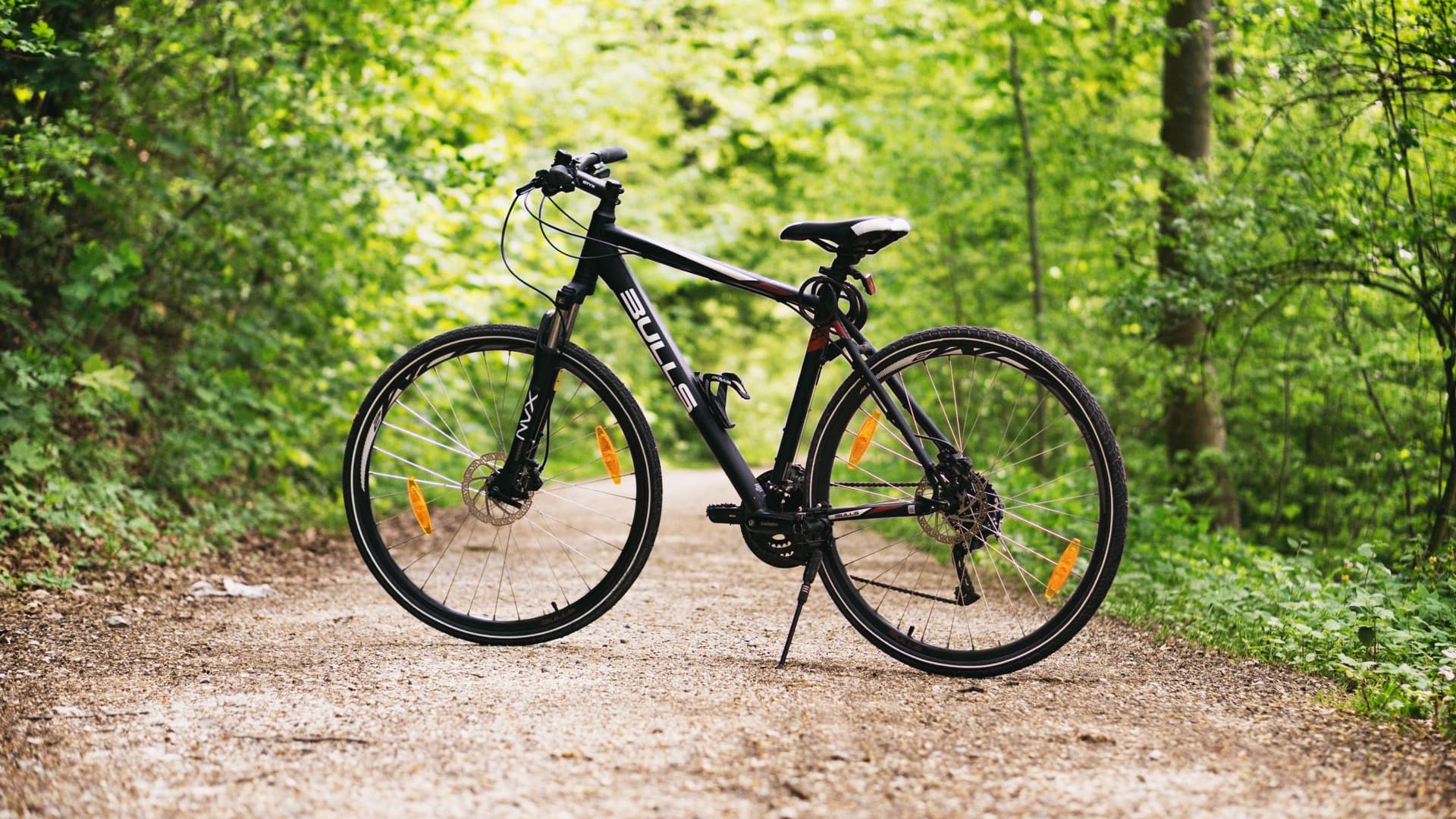
Straight talk on bicycles: how frames differ, how Germany rides, and what actually matters when you choose a bike.
We break down road, gravel, city, mountain, cargo and e-bikes by geometry, tires and real use — not marketing labels.
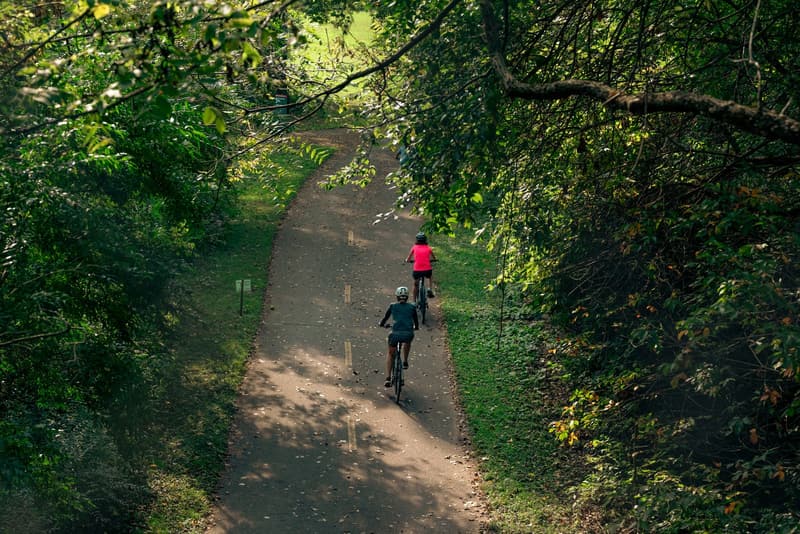
From Brandenburg paths to club racing, we map how infrastructure and sport culture shape everyday riding here.
Long-form posts from Hoppegarten — practical, local, and written for riders who want clarity before they spend.
Bike differences
Geometry, tire volume and gearing decide whether a bike loves asphalt, gravel or forest singletrack. Start with the category that matches your roads.

Drop bars, narrow tires, speed on paved routes and sport group rides.

Wider clearance and endurance posture for farm roads and forest tracks.

Upright comfort, mudguards and racks for German weekday riding.

Suspension, grip and control for trails across Brandenburg and beyond.
Cycling in Germany
Germany mixes dense urban bike networks, long-distance Radwege and a serious club-sport tradition. Berlin’s orbit — including Hoppegarten — sits inside that system of paths, weekend races and everyday utility riding.
We cover infrastructure habits, racing culture and what visitors notice when they first roll onto a German bike lane.
From the journal

German roads swing from polished asphalt to farm tracks within a single weekend loop. Here is how to decide which platform fits your actual routes — not the brochure.
Read the guide →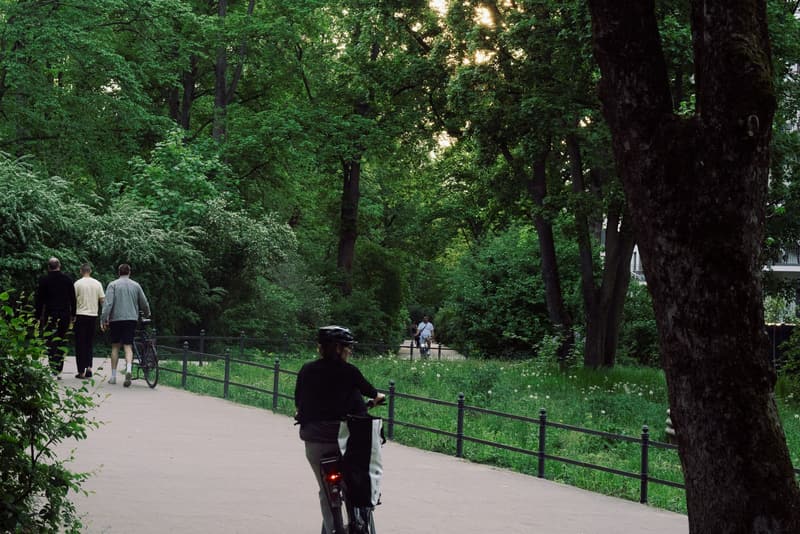
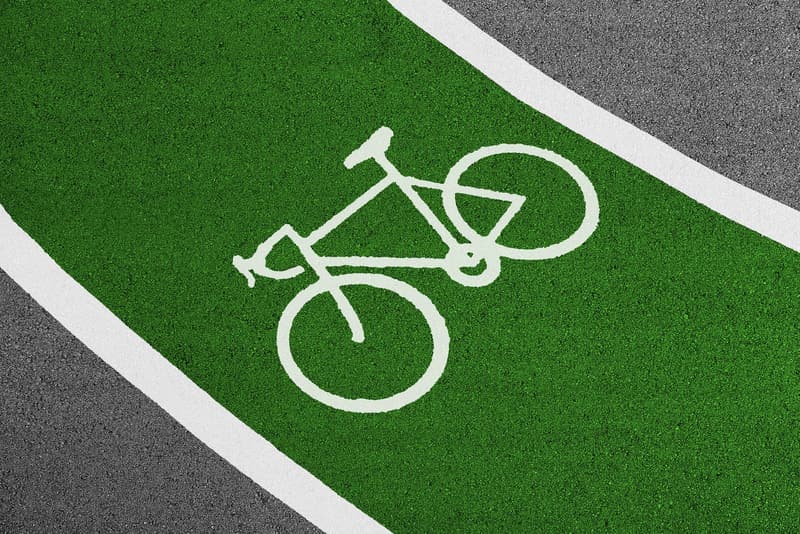
Signage, right-of-way habits and path design that surprise riders from abroad.
Read →
How assisted bikes changed weekday range around Hoppegarten and Berlin’s east.
Read →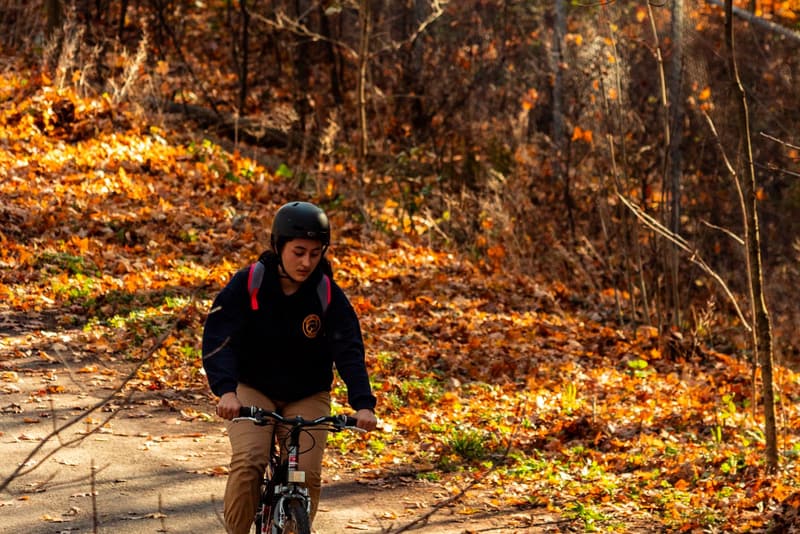
Where to find real dirt without a three-hour drive into the Alps.
Read →
Stack, reach, trail and wheelbase — translated into how the bike feels.
Read →
Lights, tires and clothing that keep weekday miles realistic from November on.
Read →
Why bakfiets-style bikes and longtails became school-run tools across the country.
Read →
How local Vereine feed amateur racing and weekend event culture.
Read →
Chain care, brake checks and when to leave the job to a mechanic.
Read →
Flat paths, picnic stops and low-stress loops near Hoppegarten.
Read →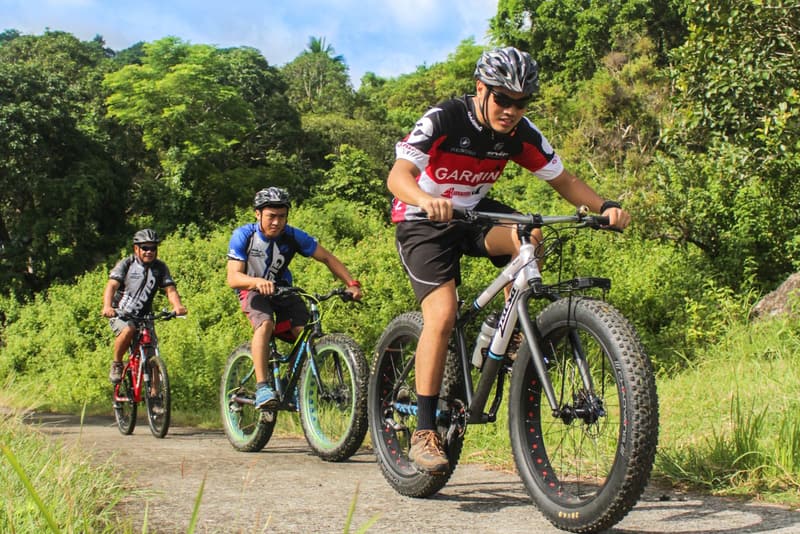
What the rules actually say — and what experienced local riders practice.
Read →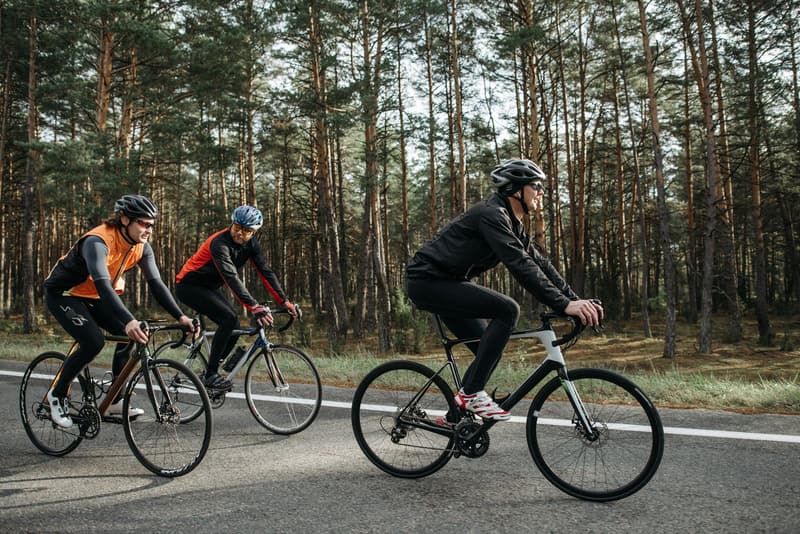
A simple progression for riders stepping from 40 km loops to full-day tours.
Read →Common questions
For most people starting out, a city or trekking bike is the right first bike: an upright position, mudguards, a rack and permanently fitted lights cover everyday German conditions. Choose a sport category such as road, gravel or mountain only once you know which surfaces you actually ride most weeks.
Both use drop handlebars, but a gravel bike adds tire clearance, a slightly taller front end, a longer wheelbase and mounting points. That keeps it composed on farm tracks and forest gravel, while a road bike stays more efficient on smooth pavement.
Infrastructure is extensive and rules are widely respected, which makes everyday riding predictable. The main things to learn are the difference between advisory and mandatory cycle lanes, priority rules at side streets, and the legal requirement for working lights and reflectors after dark.
A standard pedelec that assists only while you pedal and cuts assistance at 25 km/h counts as a bicycle, so no licence, insurance plate or mandatory helmet applies. Faster S-pedelecs supporting up to 45 km/h fall into a separate motor vehicle class with stricter requirements.
There is no general helmet requirement for cyclists of any age on an ordinary bicycle or a 25 km/h pedelec. Most sport riders wear one anyway, and a helmet is mandatory on an S-pedelec.
Yes. Regional and S-Bahn services carry bicycles in marked carriages with a separate bike ticket, which makes one-way routes practical — ride out through Brandenburg and take the train home. Folding bikes travel as luggage without an extra ticket.
About Klenzegen
We are based at Altlandsberger Ch 1 in Hoppegarten. Our work is simple: explain bikes and German cycling culture in plain English — without thin filler or shop-floor pressure.
Our story