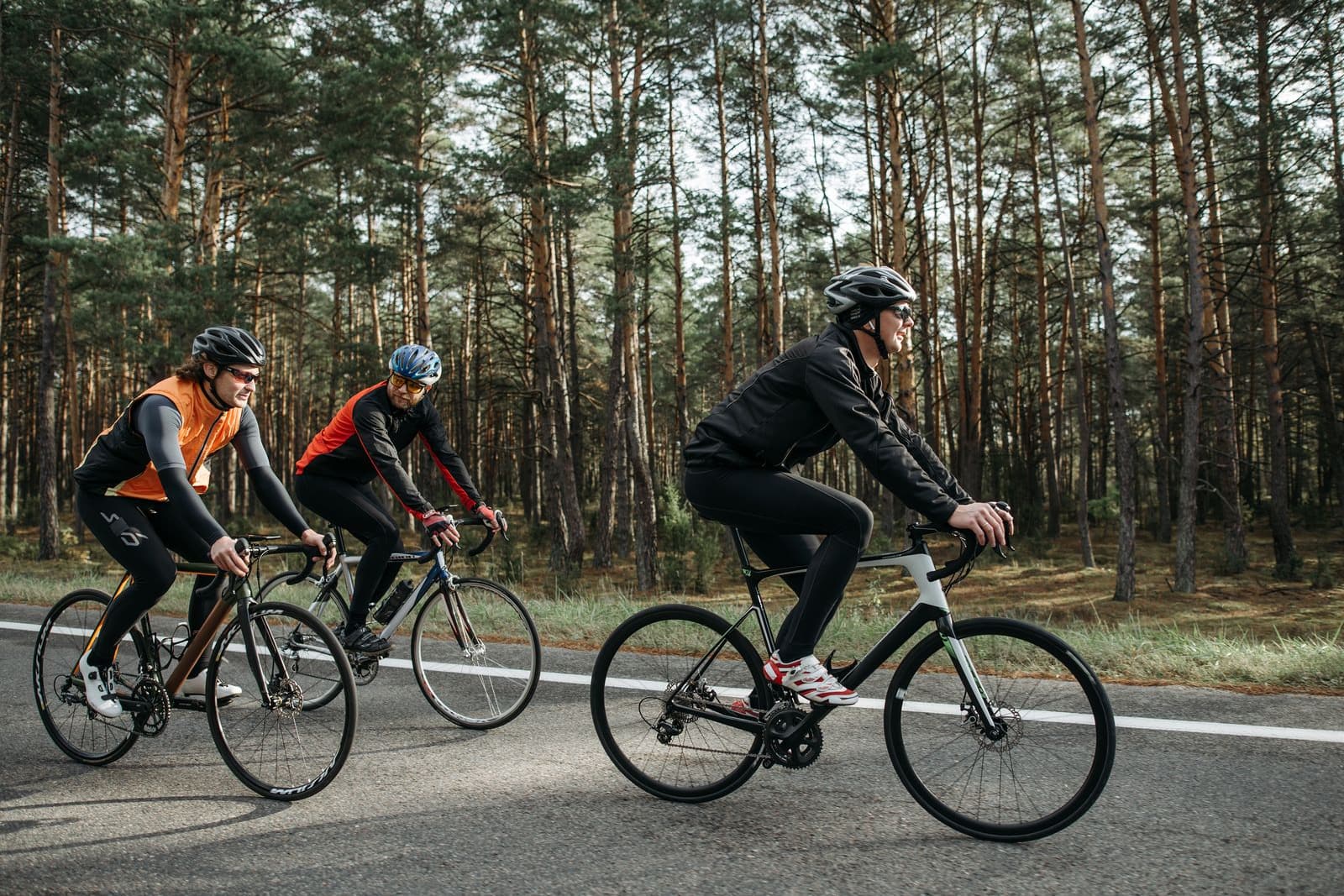
Building endurance for longer weekend rides
From the Klenzegen journal in Hoppegarten — written for riders who want clear, usable detail.
The step from a comfortable 40-kilometre loop to a genuine full-day ride is not a fitness cliff. It is a set of habits: pacing, eating, and gradually extending the longest ride of the week without wrecking the following one. Riders who stall usually did not train too little — they trained too hard on the wrong days.
This is a simple progression aimed at riders who already ride regularly and want to be capable of a 100-kilometre-plus day by the end of a season, on Brandenburg terrain where the wind matters more than the hills.
The one number that drives everything
Endurance improves mostly through time spent at a genuinely easy effort. The mistake almost everyone makes is riding those hours slightly too hard — hard enough to accumulate fatigue, not hard enough to trigger the adaptation that intensity work provides. You end up in an unproductive middle.
The practical test needs no equipment: on an endurance ride you should be able to speak in full sentences. If you are answering in three-word bursts, you are riding your long ride at the wrong intensity. If you use a heart rate monitor, that easy zone typically sits somewhere around 65 to 75 percent of maximum heart rate, but the talking test is more reliable than a formula.
A twelve-week progression
Assume a starting point of three rides a week, with a long ride of about 40 kilometres. The shape below extends the long ride while keeping total load manageable.
| Weeks | Long ride | Rest of the week |
|---|---|---|
| 1–3 | 45 → 55 km | Two easy rides, one with a few short efforts |
| 4 | 40 km easy | Recovery week — deliberately lighter |
| 5–7 | 65 → 80 km | One structured session, one easy ride |
| 8 | 50 km easy | Recovery week |
| 9–11 | 90 → 110 km | One structured session, one easy ride, practise eating |
| 12 | Target ride | Light week beforehand |
Two rules protect the whole plan. Extend the long ride by no more than about 10 to 15 percent per week, and take a genuinely easier week every fourth week. The recovery week is where the adaptation actually lands; skipping it is the most common way this progression falls apart.

Eating and drinking is a trained skill
Under about 90 minutes you can ride on water and whatever you had for breakfast. Beyond that, fuelling becomes the limiter, and the failure is abrupt rather than gradual.
- Start eating within the first hour, before you feel hungry.
- Aim for something in the region of 40 to 60 grams of carbohydrate per hour on rides over two hours, increasing on long days.
- Drink to thirst but keep it steady; in Brandenburg summer heat, plan a refill stop rather than carrying everything.
- Practise your food on training rides. A gel that disagrees with you at kilometre 90 is a discovery best made close to home.
- Carry real food for long rides. Most riders tolerate it better than a diet of gels alone.
Test all of this during the week 9 to 11 block, when the long rides are already long enough for it to matter but the target ride is still ahead.
Pacing on flat, windy terrain
Brandenburg gives you very little climbing and a great deal of exposed open road. That changes pacing. On hilly terrain the hills enforce a rhythm; on flat ground nothing stops you from riding slightly too hard for four hours, and the wind punishes it.
Two practices help. Ride the outbound leg into the headwind so the return is assisted rather than the reverse — the psychological difference at kilometre 90 is enormous. And on group rides, take shorter turns at the front than feels heroic. A five-minute pull at threshold costs more than it contributes.
The long ride is a pacing exercise. If the last twenty kilometres are your slowest by a wide margin, you started too fast.
The structured session
One quality session a week is enough alongside a growing long ride. A reliable option: after a twenty-minute warm-up, ride three to four intervals of eight to ten minutes at an effort you could hold for about forty minutes total, with five minutes easy between. Finish with easy spinning.
Do this on a route without junctions, which around Hoppegarten means the longer open roads rather than anything urban. Never place the session the day before the long ride; two days of accumulated fatigue turns the long ride into junk kilometres.
Equipment and comfort over long distances
At four hours, contact points decide whether you finish comfortably. Saddle choice, bar tape thickness, glove padding and shorts quality all matter more than bike weight. Tire pressure is the cheapest comfort improvement available — most riders run 10 to 15 percent too hard for long-distance comfort.
Position matters more as duration grows. A fit that is fine for an hour can produce lower back or neck pain at four. If you are seeing that pattern, our geometry chart guide explains which numbers to look at, and the road versus gravel guide covers platform choice if your long rides include unsealed sections.
Recovery is part of the training
Sleep does more for endurance than any session. Eat within an hour of finishing a long ride, particularly carbohydrate and protein together. Keep at least one full rest day per week and treat unusual leg heaviness, an elevated resting heart rate or poor sleep as signals to make the next ride easier rather than as evidence you should push harder.
Finally, keep the bike reliable — a mechanical at kilometre 80 undoes a good week. Our maintenance basics post covers the checks worth doing before a long ride, and if you eventually want to test the fitness competitively, our guide to German race culture explains how to find your first event.
Frequently asked questions
How quickly can I extend my longest ride?
Increase the long ride by roughly 10 to 15 percent per week and take a genuinely easier week every fourth week. That pattern takes most regular riders from around 40 kilometres to over 100 in about twelve weeks without accumulating unmanageable fatigue.
How hard should an endurance ride feel?
Easy enough to hold a conversation in full sentences. If you can only answer in short bursts you are riding the long ride too hard, which builds fatigue without delivering the adaptation that a dedicated intensity session provides.
What should I eat on a long ride?
Start eating within the first hour and aim for roughly 40 to 60 grams of carbohydrate per hour on rides beyond two hours, increasing on full-day rides. Practise your chosen food in training, and carry some real food rather than relying only on gels.
How many days a week should I ride to build endurance?
Three rides a week is enough to progress: one long endurance ride, one structured session and one easy ride. Consistency across weeks matters far more than adding a fourth day that compromises recovery.
How do I pace a long ride on flat, windy terrain?
Ride the outbound leg into the headwind so the return is wind-assisted, and keep your effort deliberately conservative for the first third. On flat ground nothing enforces a rhythm, so the discipline has to come from you — if the final twenty kilometres are dramatically your slowest, you started too fast.